
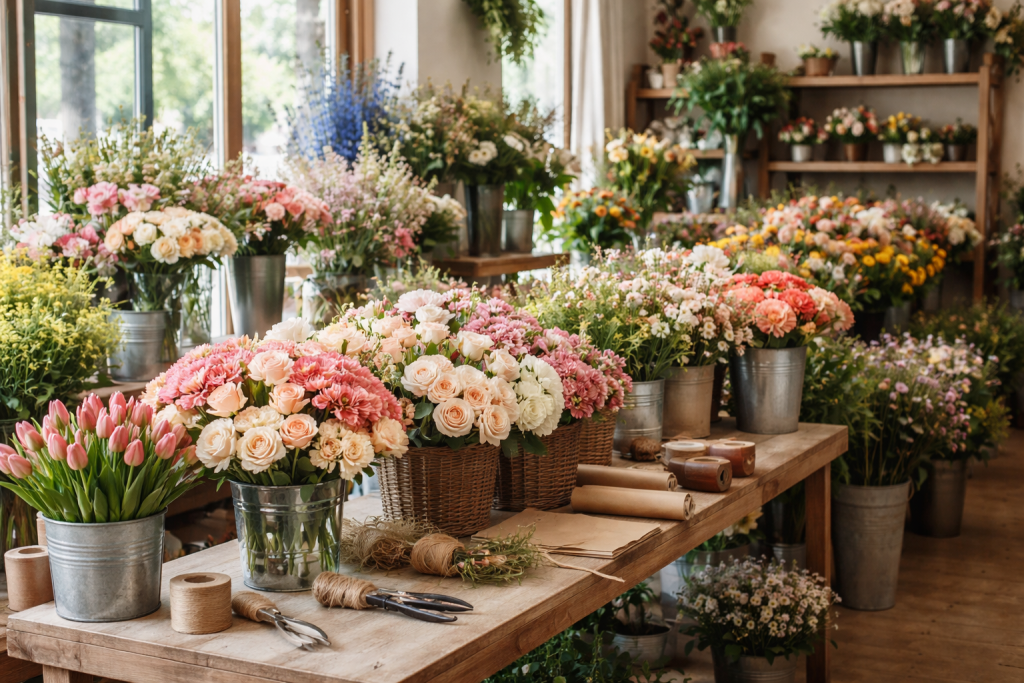
Opening a flower shop is one of the most creative small businesses you can start. Flowers are used every day — for birthdays, weddings, anniversaries, events, hotels, restaurants, and home decoration.
But many beginners quickly discover something important:
Running a successful flower shop is not just about arranging beautiful bouquets. It is about supply chains, inventory control, and smart purchasing.
From my experience working with flower retailers and wholesale buyers, the biggest difference between a struggling flower shop and a profitable one usually comes down to where they source their flowers.
This guide will show you how to start a flower shop and how to build a reliable wholesale flower sourcing system from the beginning.
Understanding Your Local Flower Market
Before renting a shop or buying equipment, spend some time observing the local flower market.
Visit nearby flower shops and ask yourself:
What flowers are they selling most often?
What price range do bouquets fall into?
Do customers buy more flowers for daily gifts or special events?
In most markets, roses and carnations are the most commonly sold flowers, while chrysanthemums, lilies, and seasonal flowers are often used for events and special arrangements.
Understanding demand helps you avoid overstocking slow-moving flowers and wasting inventory.
Choosing Your Flower Shop Business Model
Not all flower shops operate the same way. Your business model will influence how many flowers you need and how often you purchase them.
Common flower shop models include:
Neighborhood Retail Flower Shop
A traditional store selling bouquets, arrangements, and small gifts.
Online Flower Delivery Business
Orders come through a website or social media, and flowers are delivered directly to customers.
Wedding and Event Florist
Focused on larger orders such as weddings, corporate events, and hotel decorations.
Hybrid Flower Shop
Many successful florists combine daily retail sales with event work.
Event florists usually buy flowers in larger quantities, which makes wholesale suppliers especially important.
Why Wholesale Flower Supply Is Critical for Profitability
One of the most important decisions in your flower business is how you source your flowers.
Most successful florists do not rely on retail markets. Instead, they work with wholesale flower suppliers or exporters.
Benefits of Wholesale Flower Supply
- Lower Cost per Stem
Buying in bulk significantly reduces cost compared to retail markets. - Consistent Quality
Wholesale suppliers grade flowers by length, size, and freshness. - Wider Flower Selection
Access to seasonal and imported flower varieties. - Stable Supply
Ensures availability for daily shop sales and event orders.
Where Flower Shops Source Their Flowers
Florists typically source flowers from three main channels:
Local Wholesale Flower Markets
Convenient but prices may fluctuate daily.
Direct Flower Farms
Suitable for seasonal and locally grown flowers.
International Wholesale Flower Suppliers
Global exporters provide stable supply, better grading, and competitive pricing.
Many growing flower businesses now prefer international suppliers for long term stability and cost efficiency.
Choosing a Reliable Wholesale Flower Supplier
Your supplier directly affects your business performance.
When selecting a supplier, consider:
- Flower freshness and grading consistency
- Stable weekly supply capability
- Competitive wholesale pricing
- Cold chain packaging and logistics
- Export experience and documentation support
A professional supplier ensures flowers arrive fresh, well packed, and ready for resale.
Best Flowers for New Flower Shops
To reduce risk and improve turnover, new flower shops should focus on fast-selling and stable flowers:
- Roses
- Хризантема
- Carnations
- Lilies
- Tulips
These flowers are widely used and have consistent demand across retail and event markets.
How Wholesale Supply Improves Your Profit Margin
Your profit depends heavily on how you manage flower sourcing.
Lower order volume often results in higher cost per stem, while larger wholesale orders help reduce cost per unit.
To improve profitability:
- Buy in bulk when possible
- Combine multiple flower types in one order
- Focus on fast-selling varieties
- Maintain stable weekly ordering cycles
Better sourcing decisions directly improve your business margins.
Build Long-Term Supplier Relationships
Successful flower shops rarely switch suppliers frequently.
Long-term cooperation with a reliable supplier can provide:
- Stable pricing throughout the year
- Priority supply during peak seasons
- Access to new flower varieties
- Flexible order arrangements
A strong supplier relationship becomes a key competitive advantage for your business.
Start Small and Scale Your Flower Business
Many beginners make the mistake of overstocking flowers at the beginning.
A better strategy is:
- Start with a small selection of fast-moving flowers
- Test market demand
- Gradually increase order volume
- Expand product variety based on sales performance
This approach reduces risk and improves long-term stability.
Wholesale Flower Supply for Florists
For new flower shop owners, finding a stable wholesale flower supplier is often the biggest challenge.
A reliable supplier helps you:
- Maintain consistent flower quality
- Reduce purchasing costs
- Ensure stable weekly supply
- Improve overall business efficiency
If you are building a flower shop or expanding your floral business, working directly with a professional wholesale flower exporter can significantly improve your cost structure and product quality.
Get Wholesale Flower Price and Supply Plan
We provide wholesale fresh cut flowers for florists, flower shops, and event businesses worldwide.
You can receive:
- Wholesale price list
- Recommended flower selection
- Weekly supply availability
- Shipping cost estimation
Contact us to get a customized wholesale supply plan within 24 hours.
Good morning,
I am looking for a strategic partner to establish a flower distribution hub in Botswana. I provide land, market access and local operations; you provide supply and export expertise.